THE DISTRIBUTION BULLETIN ISSUE #56
By Peter Broderick and Keith Ochwat

Welcome back to Section 4 of our Dynamic Distribution crash course. In this section we highlight more Dynamic Distribution breakthroughs. (Here are links to Section 1, Section 2 and Section 3). We recommend that you read the Sections in order.
This Section presents four more Breakthroughs. They are inspiring examples of how films are using Dynamic Distribution strategies and tactics to succeed. They show how to:
make the most of Pre-Distribution
connect with core audiences
build partnerships
design a dynamic distribution strategy
secure vital financial and in-kind support
Keith Ochwat of Show&Tell and I have created these mini-case studies to help filmmakers escape from the broken Old World of Passive Distribution. Each case study includes: the results achieved, a strategy breakdown, and takeaways. There is much to learn from these Breakthroughs. As you design your distribution strategy, consider new tactics that are working, serious mistakes to avoid, and ways to refine your strategy stage-by-stage.
==============================================================
DYNAMIC DISTRIBUTION #4
MORE BREAKTHROUGHS
My Ascension
Once you secure an enthusiastic partner who supports you financially, find others like them.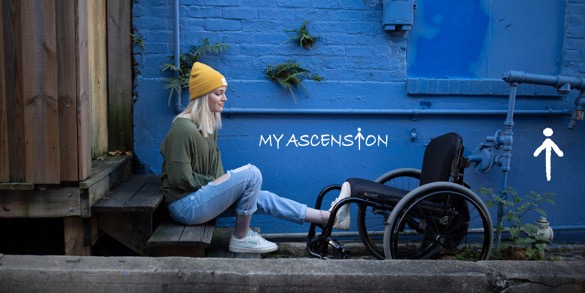
The Film: a young woman attempts to take her life, survives, and then becomes a leader for young people suffering in silence from anxiety and depression.
The Results: the film team has raised more than $850,000, with $260,000 from PBS sponsorships and the rest through educational licensing, in-person events, and virtual events. The team has succeeded by offering a combination of educational resources created to serve each partner’s priorities. The impact campaign includes collaborations with children's hospitals, recovery centers, universities, tribal communities, and school districts.
Strategic Lessons: the team pioneered Virtual Toolkits, which integrate sections of the film with mental health materials provided by the partner. Each unique Virtual Toolkit is designed to meet the teaching and training needs of a specific organization. Instead of offering generic, one-size-fits-all educational materials, it is now possible to customize educational resources for each institution. This breakthrough has supercharged the licensing of Virtual Toolkits to institutions for counseling, employee training, and community engagement. It has also powered sales to public sector partners, including state departments of mental health, medical systems, and school districts.
Takeaways from their success:
- Build long-term relationships with large organizations. Over time, the collaboration between the film team and Children's Hospital New Orleans grew. First they became a PBS sponsor. Then they sponsored a series of live events. Then they licensed a Virtual Toolkit with clips from the film and mental health resources they had created over several years. This partnership alone brought in over $200,000.
- Multiply every partner. The first $100,000 PBS sponsor for My Ascension was Children's Hospital New Orleans. As soon as they committed, the film team made a list of all 220 children's hospitals across the country. This enabled them to connect with another children’s hospital which became their second $100,000 PBS sponsor.
- Take a long-term view of distribution. Three years into the release of My Ascension, the film team continues to engage partners and audiences, booking events and selling licenses each May for Mental Health Awareness Month, and each September for Suicide Awareness Month.
Rohna
Blending in-person events and virtual events, the film team reached more people, raised more money, and built lasting momentum.
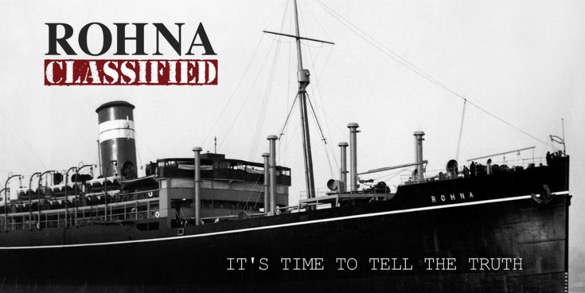
The Film: tells the tale of a World War II transport ship that sank from friendly fire. The true story was kept secret by the US government and was only revealed decades later.
The Results: the film team took a hybrid event approach to their initial release, combining an in-person premiere earning about $25,000 with a virtual encore event for an additional $15,000.These events created invaluable awareness of the film and provided clarity about the core audience, fueling further educational events and licensing.
Strategic Lessons: timing the film’s release around the 75th anniversary of the sinking of the Rohna enabled the team to build on extra interest in the topic, leading to meaningful revenue and enhanced visibility. The team combined in-person and virtual events to engage audiences in multiple ways, maximizing impact, revenue, and awareness. Promotion began by coordinating with an organization dedicated to connecting Rohna survivors and descendants of the sailors and grew from there. In addition to ticket sales to their in-person and virtual events, many attendees made additional, sometimes sizable, donations.
Takeaways from their success:
- Combining in-person events with virtual encore events gave the film team complementary ways to make the most of audience excitement and donor interest. Their in-person events created buzz and were suited for their most enthusiastic super fans. Virtual encore events following an in-person event allowed them to expand their reach to more viewers and donors unable to attend in person.
- Begin audience outreach with your core audiences to build critical awareness with your most enthusiastic fans and expand from there to additional audiences. The film team initially focused on reaching out to survivors and descendants of people on the Rohna, which led to donations and promotional partners. This outreach fueled the successful promotion of the event to wider audiences.
- Test and learn through audience and partner feedback. After initially targeting family members and survivors directly connected to the Rohna, the film team asked for input from veterans organizations and historians to better understand how the film's message would appeal more broadly.
26.2 To Life
Audience clarity turned grassroots screenings into big-brand sponsorships and broad visibility.
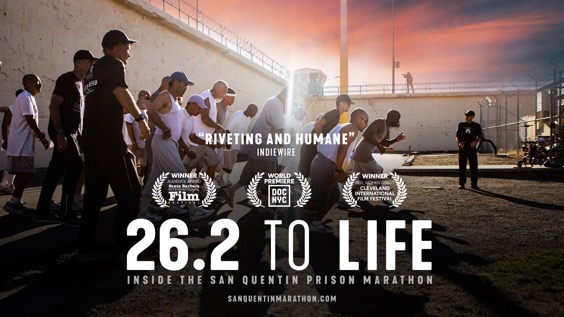
The Film: follows coaches and inmates at San Quentin prison as they train for and run the San Quentin prison marathon.
The Results: generated over $500,000 through grassroots screenings, partnerships with marathons, and a streaming deal with ESPN. The film team also did screenings at prisons interested in starting their own running clubs and for state parole boards who decide when to release inmates from prison. The team's work with core audiences in the running community showed widespread interest in the film among runners. This led to meaningful sponsorships from running companies, including Hoka, Strava and Fleet Feet.
Strategic Lessons: activating grassroots audiences and industry partners for impact screenings and educational tools did not get in the way of the film team making a streaming deal with a major platform. In fact, ESPN allowed the filmmakers to carve out educational rights so they could continue their impact work engaging prisons, wardens, departments of parole, running clubs, and other audiences for the film. The team did a great job of establishing interest and alignment with these audiences which facilitated meaningful partnerships. Strategic conference appearances turned a personal story into a high-impact outreach campaign.
Takeaways from their success:
- Ask partners to provide both funding and promotional support. Some funders have financial resources. Others have large email lists and can motivate many people to attend a screening. Some can do both. Assess what partners are capable of and make the appropriate asks.
- Use early wins to establish more wins. Take one success and ask yourself which other ones to pursue. A successful partnership or event can give you credibility for future partners in a similar space. After establishing solid relationships with running brands Fleet Feet and Strava, the team was able to secure a support of one of the largest running shoe brands in the world: Hoka.
- Streamers can give you key rights if you request them. Streamers will sometimes agree to grant filmmakers the rights to conferences, impact screenings, partnerships, and other work engaging their core audiences. But this can only happen if you request these rights.
Thank You For Coming
Targeted conference outreach and partner promotion turned awareness into powerful partnerships and major connections.
The Film: upon learning she was sperm donor-conceived, the film’s director goes on a journey to find her biological dad.
The Results: a strategic outreach strategy and small focus groups led to attendance at important conferences in the genealogy and reproductive areas. This raised awareness for the film in all the right places. This strategy fostered a very successful partnership with 23andMe. This included $150,000 in PBS sponsorships, branded virtual events, and special in-person screenings for 23andMe employees.
Strategic Lessons: This film team achieved breakthrough awareness of their film within their core audiences by attending conferences focused on topics including marriage and family therapy, genealogy, and adoption. At these events the team was able to make critically important contacts with companies like 23andMe, and with universities, screening hosts, and influencers.
Takeaways from their success:
- Conferences over film festivals. Film festivals are focused on gathering film lovers. Conferences focus on gathering people who share a profession or interest in a topic. If that topic or profession is aligned with the message of your film, great things can happen
- Use targeted conference attendance as a strategic entry point to establish relationships.
- Tap into a partner’s email list and social media following to raise awareness for your film. It's not only getting a partner to sponsor something you're doing but also having them promote your film to their audience. In addition to providing $150,000 in sponsorship fees, 23andMe also promoted the film to their employees and their email list of 7 million customers.
==============================================================
Keith and I created this crash course in Dynamic Distribution to help filmmakers escape the crumbling Old World of Distribution and learn how to succeed in the New World of Distribution. Our course started with strategy, then focused on tactics, and followed with mini-case studies of dynamic distribution breakthroughs.
Here are eight essential recommendations that will help you maximize your distribution and your career:
- choose dynamic distribution
- retain overall distribution control
- design a customized distribution strategy
- make the most of pre-distribution
- focus on core audiences
- develop win-win partnerships
- refine your strategy stage by stage
- build a personal audience
Onwards and upwards,
Peter and Keith
© 2025 Peter Broderick